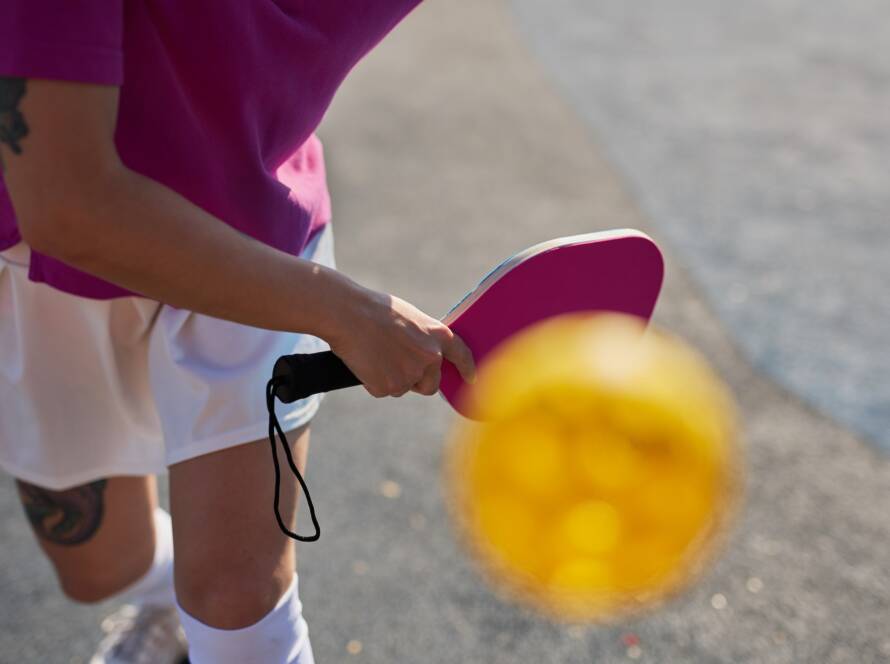
A pickleball serve is illegal when it breaks any core serve rule: contact above waist (navel) height, the paddle head above your wrist at the moment you hit the ball, a sidearm or overhand motion instead of a low-to-high one, a foot touching the baseline or the court before contact, or spin added to the ball with your hand before you strike it. Below are the seven most common ways players fault on the serve—and exactly how to keep yours legal.
Understanding Illegal Pickleball Serves
Every pickleball point starts with a serve, but not all serves are created equal. Understanding what makes a serve illegal is crucial for improving your game and avoiding violations that could cost you points.
What Makes a Serve Illegal?
An illegal pickleball serve occurs when any of these fundamental rules are violated:
• Contact point above the waist
• Paddle position above the wrist at impact
• Non-upward serving motion
• Foot placement on or over the baseline
• Ball landing in the kitchen (non-volley zone)
• Improper spin application
Legal vs. Illegal Serve Requirements
Legal Serve Elements
• Underhand motion with an upward arc
• Ball contact below navel height
• At least one foot behind baseline
• Ball must clear the kitchen
• Only paddle-generated spin allowed
Common Illegal Serve Violations
• Sidearm or overhand motions
• “Chainsaw” serving technique
• Hand-generated spin before release
• Both feet touching baseline
• Chopping down on the ball
Types of Legal Serves
Drop Serve
• Release ball from any natural height
• Let gravity do the work
• No spin during release
• Must bounce before contact
Volley Serve
• Release ball from one hand
• Strike with upward motion
• Contact below waist
• No pre-serve spin manipulation
Latest Rule Changes and Updates
As of 2024, significant changes have been implemented:
• Drop serves can use either hand or paddle release
• All artificial spin during release is prohibited
• Stricter enforcement of upward arc requirement
• New paddle release rules coming in 2025
Common Serve Mistakes to Avoid
Form Violations
• Sideways paddle motion
• Contact point too high
• Wrist above paddle head
• Forward-stepping motion
Positioning Errors
• Serving from wrong court position
• Stepping on baseline
• Standing too close to kitchen
• Incorrect service box targeting
Proper Serve Technique Guide
Setup Position
1. Stand behind baseline
2. Face diagonal service box
3. Hold ball at comfortable height
4. Position paddle below waist
Execution
1. Drop or release ball naturally
2. Use smooth upward motion
3. Contact below navel
4. Follow through toward target
Legal Spin Techniques
While hand-generated spin is illegal, players can still apply legal spin through:
• Proper paddle angle at contact
• Controlled upward brush motion
• Natural paddle movement
• Post-contact spin generation
Practice Drills for Legal Serves
Basic Serve Practice
1. Shadow serving without ball
2. Slow-motion serve practice
3. Height control drills
4. Target practice within service box
Expert Tips and Tournament Preparation
• Record and analyze your serve motion
• Practice with different ball positions
• Master both drop and volley serves
• Stay updated on rule changes
• Get feedback from certified officials
Ready to perfect your pickleball serve? Visit Pickleball Athletic Club for professional instruction and practice facilities. Our experienced coaches can help ensure your serve stays legal while maximizing effectiveness.
Quick answers
Is the “chainsaw” serve legal?
No. The chainsaw serve—spinning the ball off the paddle or your fingers before contact—is banned. Only spin generated by the paddle at the moment of contact is legal.
Can you serve overhand in pickleball?
No. In USA Pickleball play the serve must be underhand, with an upward motion and contact below your waist. (More on that in our guide to serving overhand in pickleball.)
What counts as a foot fault on the serve?
Touching the baseline or the court inside it, or standing outside your correct service area, before you strike the ball.
Does the drop serve have to be underhand?
The drop serve has no height or motion requirement, but you must drop the ball (not throw or push it) and let it bounce before you hit it.