

Pickleball rules are essential for anyone looking to join the fastest-growing sport in America. Understanding the key regulations guarantees fair and enjoyable gameplay, regardless of if you’re a beginner or a seasoned player. From serving techniques to scoring systems, mastering these rules will elevate your game and enhance your court experience.
Pickleball Rules: A Comprehensive Guide
Pickleball rules are essential for anyone looking to enjoy this fast-growing sport. Understanding the rules of pickleball is crucial for fair and enjoyable gameplay.
What is Pickleball?
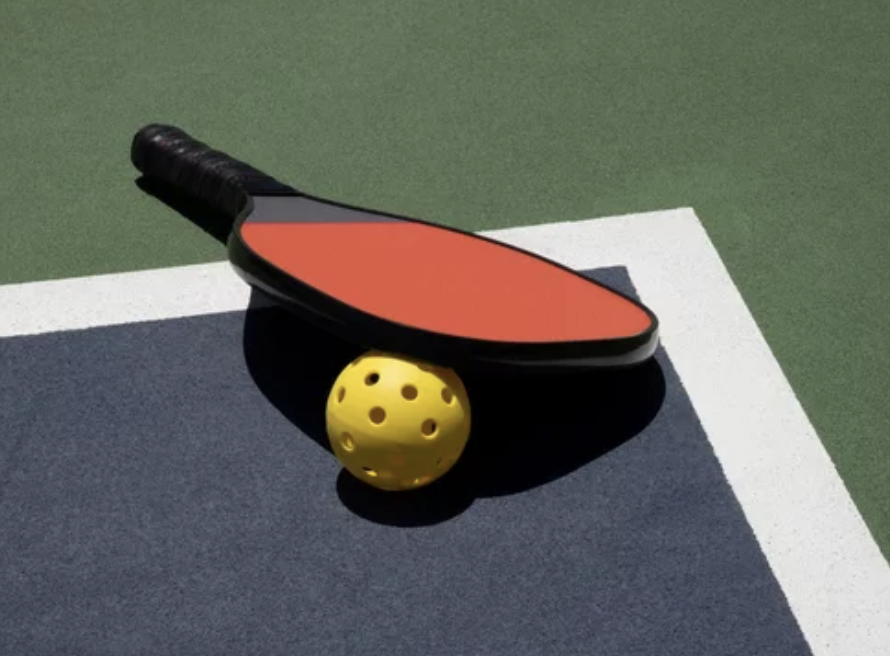
Pickleball is a paddle sport that combines elements of tennis, badminton, and table tennis. It’s played on a smaller court with a perforated plastic ball and solid paddles. The sport has seen explosive growth in recent years, appealing to players of all ages and skill levels.
Basic Rules of Pickleball
The objective of pickleball is to score points by hitting the ball over the net in such a way that your opponent can’t return it. The game can be played in singles or doubles format, using specialized paddles and a plastic ball with holes.
Serving Rules in Pickleball
Understanding the serving rules is crucial for playing pickleball correctly. Here are the five key serving rules:
1. On a standard volley serve, the arm must move in an upward arc, contact must be made below waist level, and the paddle head must stay below the highest part of the wrist. A drop serve is also legal, and none of those restrictions apply to it.
2. At contact, at least one foot must be behind the baseline, and neither foot may touch the court or the imaginary extension of the sideline or centerline. Which side you serve from depends on the score, not a fixed court.
3. The ball must clear the non-volley zone (NVZ).
4. A serve counts as a fault if it lands outside the service court or doesn’t clear the non-volley zone (NVZ).
5. You get one serve attempt. Unlike tennis, there is no second serve in pickleball.
Volleys and Groundstrokes
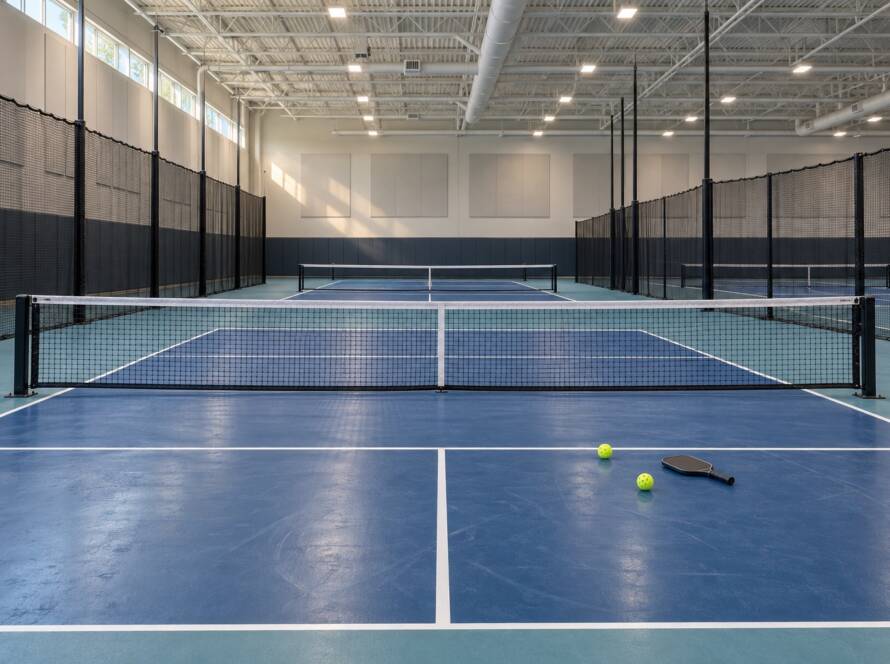
In pickleball, players must recognize the non-volley zones (NVZs), which are areas on both sides of the net where volleys are not permitted. For example, when a player hits the ball in the air without letting it bounce, they execute a volley, whereas a groundstroke happens when the player hits the ball after it has bounced once.
Scoring and Game Play
Only the serving team can score points in pickleball. Players typically play a game to 11 points, and they must win by two points. Matches usually follow a best two out of three games format.
Common Faults and Lets
Faults in pickleball include hitting the ball out of bounds, violating non-volley zone rules, or failing to clear the net. There are no let serves in pickleball. If the serve clips the net and still lands in the correct service court, the ball is in play, so play it.
Line Calls and Player Conduct
Players are responsible for making their own line calls in pickleball. Good sportsmanship and honesty are essential aspects of the game. Players should call the ball “in” or “out” promptly and clearly.
Frequently Asked Questions (FAQs)
Q: What are the rules for pickleball?
A: The rules include serving regulations, non-volley zones, scoring systems, and game conduct guidelines.
Q: Can you explain the non-volley zone rule?
A: Players cannot make volleys in the non-volley zones on both sides of the net.
Q: How many chances do you have to make a valid serve?
A: You get one serve attempt. Unlike tennis, there is no second serve in pickleball.
Conclusion
Understanding pickleball rules is essential for enjoying the game and playing fairly. From serving techniques to scoring systems, these guidelines ensure a fun and competitive experience for all players.
For more information about pickleball and how to improve your game, consider joining the Pickleball Athletic Club. Our experienced coaches and state-of-the-art facilities can help you master the rules and enhance your skills. Contact us today to learn more about our programs and membership options.
Citations:
1. USA Pickleball Official Rules Summary
2. USA Pickleball Rules Summary PDF
3. Pickleball England Rules

1 Comment